Water leaks, damp walls and recurring mold can make a rental home difficult or unsafe to live in. Jonathan D. Winters represents tenants throughout Southern California, including Long Beach, Los Angeles County and Orange County in cases involving mold, water intrusion, delayed repairs, damaged belongings, displacement, harassment and retaliation. He has more than 25 years of experience handling trials, appeals, individual claims and complex litigation for plaintiffs.
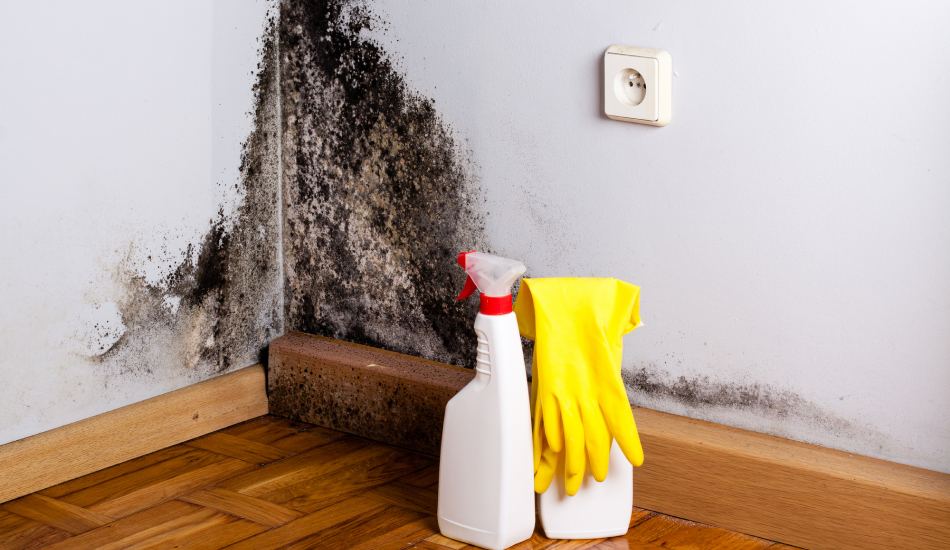
Los Angeles toxic mold and water damage claims
A mold case usually begins with moisture. A leaking roof, failed plumbing, an overflowing unit above, poor drainage, damaged windows or incomplete construction work can leave building materials wet long enough for mold to grow. Painting over a stain or cleaning the visible surface may not address the source of the water. A sound investigation looks at what caused the moisture, how long it continued, what the owner and property manager knew, and whether the response was timely and effective.
California rental disputes are fact-specific. Depending on the evidence, a case may involve habitability obligations, negligence, nuisance, breach of the rental agreement, property damage, personal injury, relocation costs or retaliation. A tenant may also have claims arising from insects, asbestos, construction dust, loss of utilities or other conditions at the same property. The correct claims and deadlines depend on the particular facts, parties and losses, so an individual legal review is important.
What makes a mold case stronger?
A clear chronology often matters more than a single dramatic photograph. Useful questions include when the leak or odor began, when each complaint was made, who inspected the property, what work was performed, whether the condition returned, and how the problem affected the people and property in the home. Repair requests, emails, text messages, inspection reports, photographs, videos, rent records and receipts can help establish that history.
When a claim includes physical symptoms, medical records and qualified medical opinions may be important. Mold does not affect every person in the same way, and the presence of mold alone does not prove that it caused a particular condition. The CDC explains that damp and moldy environments may cause health effects in some people and none in others; reported effects can include stuffy nose, sore throat, coughing or wheezing, eye or skin irritation, and worsened asthma in some people. People with health concerns should seek advice from a licensed healthcare professional. Read the CDC’s current mold guidance.
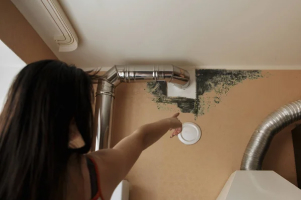
Steps tenants can take after discovering water damage or mold
- Report the condition in writing. Describe the leak, dampness, odor or visible growth and the rooms affected. Keep a copy of the notice and any response.
- Photograph and video the problem. Record the date, location and surrounding damage. Continue documenting if the condition changes or returns after repairs.
- Preserve a timeline. Note complaints, inspections, repair visits, missed appointments, displacement and important conversations.
- Keep evidence of losses. Save damaged items when practical, along with receipts for replacement property, lodging, cleaning, moving or other expenses.
- Address health concerns promptly. Consult an appropriate healthcare professional and follow medical advice. Do not place medical records or other sensitive information in the website form.
- Get legal advice before taking a major step. Moving, withholding rent, signing a release or discarding evidence can affect a dispute. The California Courts’ tenant repair guidance provides general information, but it is not a substitute for advice about your facts.
Landlord retaliation, harassment and displacement
Some tenants encounter pressure after reporting unsafe conditions. The pressure may involve repeated notices, threats, entry disputes, service interruptions, rent increases or efforts to force a move. Other tenants must leave temporarily while a unit is opened, dried or remediated. These events should be evaluated together with the repair history. Jonathan’s practice includes habitability, retaliation, harassment, asbestos, mold and construction-nuisance claims, including complex litigation involving multiple tenants at the same property.
Cases involving several affected households require careful organization. The conditions may be similar, but each tenant can have a different timeline, exposure, property loss and medical history. Jonathan currently handles a complex class action and numerous related individual tenant cases. That experience helps him identify common building evidence while preserving the facts that make each household’s claim distinct.
Experience with mold, water damage and tenant litigation
Jonathan has extensive experience litigating mold and water-damage cases and has resolved many through settlement. His reported results include a $859,478 trial award in Birman v. Queen Surf Owners Association Inc., involving a tenant displaced during mold and asbestos remediation after water damage, and a $450,000 settlement in a mold case involving the aggravation of a serious lung condition. Past results do not guarantee a similar outcome. Every matter depends on its evidence, law, parties and circumstances.
In Hersey v. Vopava (2019), Jonathan represented a tenant in a published Court of Appeal decision arising from a habitability dispute. The court reversed the amended judgment incorporating a costs order and remanded for recalculation, addressing how pre-offer costs are treated when comparing a judgment with successive settlement offers under Code of Civil Procedure section 998. Read the published opinion.
Jonathan’s broader plaintiff-side results include a $1.8 million entered judgment after a bench trial in a civil case involving domestic violence and child sexual abuse, and a $500,000 recovery for a client who suffered serious injury in disability-discrimination litigation. These results show experience with serious and complex claims; they do not predict the outcome of a new case. Review selected case results and appellate work.
How the Law Offices of Jonathan D. Winters approaches a mold case
The first task is to understand the property and the people affected. Jonathan reviews the repair history, ownership and management roles, inspection evidence, communications, claimed losses and available witnesses. Where appropriate, litigation may require building, remediation, medical or economic experts. The goal is to connect each requested remedy to reliable evidence rather than to make assumptions from a label such as “toxic mold.”
Some disputes can be resolved through focused negotiations or mediation. Others require formal discovery, motions, trial or appeal. Jonathan prepares each case with those possibilities in mind and explains the practical choices as the evidence develops. His persistence and familiarity with mold litigation can help clients navigate long-running repair histories and technical disputes.
Frequently asked questions about Los Angeles mold cases
Does every mold problem create a lawsuit?
No. The legal significance of a condition depends on its severity, cause, notice, response, harm and available evidence. An initial consultation can help identify what information is still needed.
Should I pay for mold testing before calling a lawyer?
Not necessarily. Testing can be useful in some matters, but the need and type of investigation depend on the property and the issues in dispute. Photographs, the water source and a documented repair history can be important starting points. Speak with counsel before spending substantial money if you are unsure.
What if the landlord painted over the mold?
Continue documenting the area and any returning stain, odor or moisture. Record when the work occurred and whether the water source was repaired. The effectiveness of the response is a factual question.
What if several tenants have similar problems?
Tell the office how many units or households may be affected and whether the conditions share a common source. Jonathan handles both multi-tenant litigation and related individual cases.
What deadlines apply?
Different claims can have different notice and filing deadlines, and some facts can shorten the time available. Contact a lawyer promptly for advice about your particular situation. Do not rely on a general website to calculate a deadline.
Mold representation throughout Southern California
Jonathan’s Long Beach office represents appropriate plaintiffs throughout Southern California, including Los Angeles County and Orange County. He holds a degree in biology, which provides a useful academic foundation for working with technical mold, moisture, remediation and expert evidence. Learn about Orange County mold and habitability representation.
Talk with a Los Angeles mold and habitability lawyer
If you are dealing with recurring leaks, visible growth, damaged property, displacement or retaliation, call the Law Offices of Jonathan D. Winters at (562) 497-0472 or use the brief consultation form below. A short description is enough. Please do not send medical records, confidential documents or time-sensitive information through the form. Contacting the firm does not create an attorney-client relationship; representation begins only after the firm agrees to take your case.